“Mr. Sharif is an excellent attorney I really appreciated his thoroughness and his ability to communicate well with his clients and issues that arise.”
Raed El-Hajjawi
Westside Solutions
Business Attorney for Small Business in Orange County, California

A trademark is a brand name, logo, symbol, style, color, or other identifying marks used by a product, service, or company. It is anything that would trigger in the mind of the consumer an understanding that a product is coming from a particular source. For example, “Coca-cola” is a trademark. Only the person or company owning that trademark can use it to identify their products. In fact, not only can no one else use those words, but the pattern of red and white on the can is also trademarked, “a simple, yet bold design with a single white ribbon,” as Coca-Cola describes it. So, if Acme Cola brand patterned their cans as red with a white ribbon, Coca-cola could sue them for trademark infringement.
As they could to a drink in a blue and purple can that was labeled “Coca-cola.” Additionally, trademarks don’t stop at symbols, patterns or colors. The way a business is designed or what is called the “trade dress” is also a trademark. If a specific taco restaurant designs its place with particular awnings, pathways, and counters that are unique to the experience, it is an identifying mark. Anyone who imitates that atmosphere would strike confusion in the consumer as to the source of the product. The purpose of a trademark is to put out to the world that when a customer who sees a mark or encounters an experience it is coming to a specific company.

A “common law” trademark is only protected where you actually sell the product. That area is usually interpreted very conservatively. If you market in Irvine, California, someone else may be able to legally use your marks in Los Angeles, for example. On the other hand, a registered trademark covers the entire country. It puts the nation on notice that a particular mark is owned because anyone can do a trademark search with the United States Patent and Trademark Office.
Registered trademarks have more options to recover money when someone uses your marks. This can make a big difference in court.
A registered trademark is proof of your ownership and use of the trademark and when. In common law, it’s up to you to prove when and where you put the trademark into use. This can be difficult. In fact, after 5 years, your registered trademark becomes “incontestable,” giving you even more protection.
Finally, you get to tell everyone you own the mark when you register. This is the only way to put ® after your protected marks otherwise a company that is not registered is only entitled to the “TM” characterization. The fact is, you don’t have to register your trademark. In common law (that means rules made according to court judgments, but not necessarily written in the code books), any original and/or unique name or symbol used in commerce is protected. If you have already started to market and sell your products with their unique name and/or symbol, you can sue anyone that copies it. However, there is also trademark protection in the written laws. In some ways, this protection is greater than that provided by common law. The catch is that you have to register your trademarks with the state or the federal government to get this protection.
This goes back to the question of registration. If it’s a common law trademark, you have to look at when and where they are using their mark, and whether your mark is close enough to theirs and violating their territory. But a registered mark is much more difficult to defend – then, the question is who used it first (in your locality) and whether the marks are similar enough to confuse. Either way, you will need a good trademark infringement attorney in California who can help you understand your situation and find a way through it. If you suspect that the other person is right about your infringement, you should discontinue using the trademark as soon as possible to reduce the damages you may be required to pay.
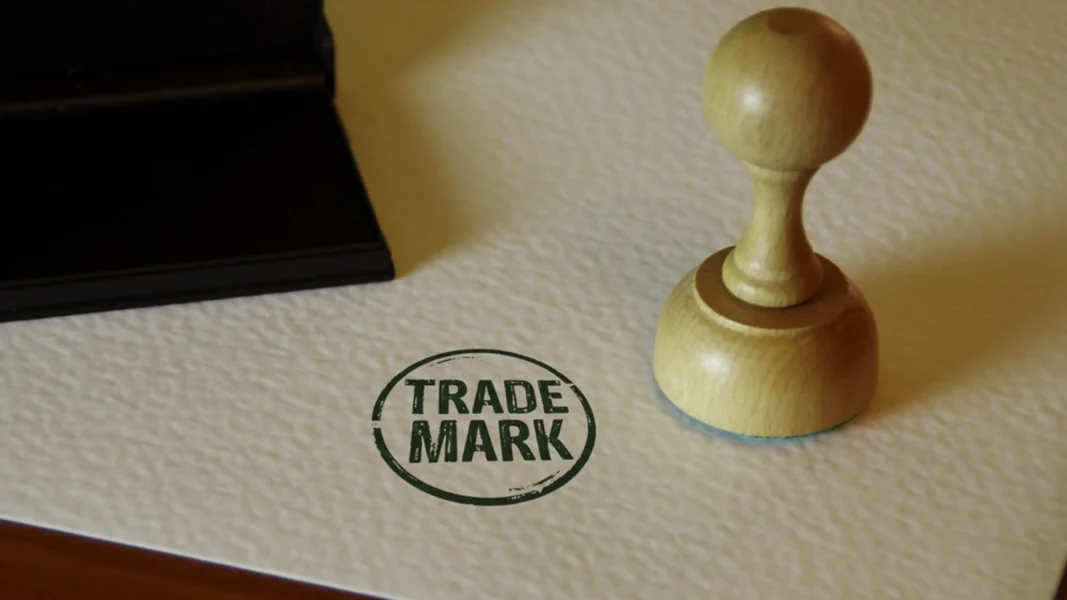
Trademarks are different than patents. With patents, an individual or company can register the idea and protect it from being used. This is not so with trademarks. A trademark must be put to use to be valid. Moreover, if you stop using the trademark, for example, if you close down your business and stop advertising your product to the public, your right to the trademark no longer exists. You must use your trademark continuously for it to remain valid.
This does not mean you actually have to sell a product. Promotional materials or advertisements will bring your trademark to life. If registering your trademark with the USPTO you can elect to register early through an “intent to use” application to get the processes started but until proof of use is provided the mark is not officially registered. Speak to a California trademark infringement attorney today at California Business Attorneys regarding your trademark issues. We register marks and defend them. Business work hard to create a name for themselves. There is equity in your mark and you should protect it.
Trademark registration is a long process which can take 9 months to a year to complete. Speak with us today about getting that process started.
Speak with our attorney to review your questions and current situation.
Start Here
Review our most common questions.
Yes, having a business attorney is crucial. They assist with entity formation, contract drafting, compliance with employment laws, and navigating disputes. Legal guidance helps prevent costly mistakes and ensures your business operates within the law
Our firm provides comprehensive services, including business formation, ADA Defense, contract drafting and review, mergers and acquisitions, intellectual property protection, and legal business advice. We tailor our services to meet the unique needs of each business client.
The cost varies based on the complexity of services.Our firm offers transparent pricing and free 30-minute consultations to discuss your specific needs.
While online templates can be a starting point, they may not address specific legal nuances of your business. Customized legal documents drafted by our attorneys ensure compliance with California laws and better protect your interests.
If you receive a demand letter, it’s important to consult with one of our attorneys promptly. An attorney can assess the situation, advise on your rights and obligations, and help formulate an appropriate response to protect your business interests.